On this page
- How to get a film permit in Bali: what is the order?
- Why does the application start at an embassy?
- Who reviews the application in Jakarta?
- Does the ministry review the story itself?
- What comes after approval?
- What happens if the schedule changes?
- What must you hand back after the shoot?
- What else do crews ask about the Bali film permit application?
- Which published prices did we check?
- Which sources support this page?
- How do I reach the desk?
By Film Permit Bali Editorial Desk
Sourced figures: prices in the table carry their source and check month. Fees change, and they are official or third-party figures, not our offers.
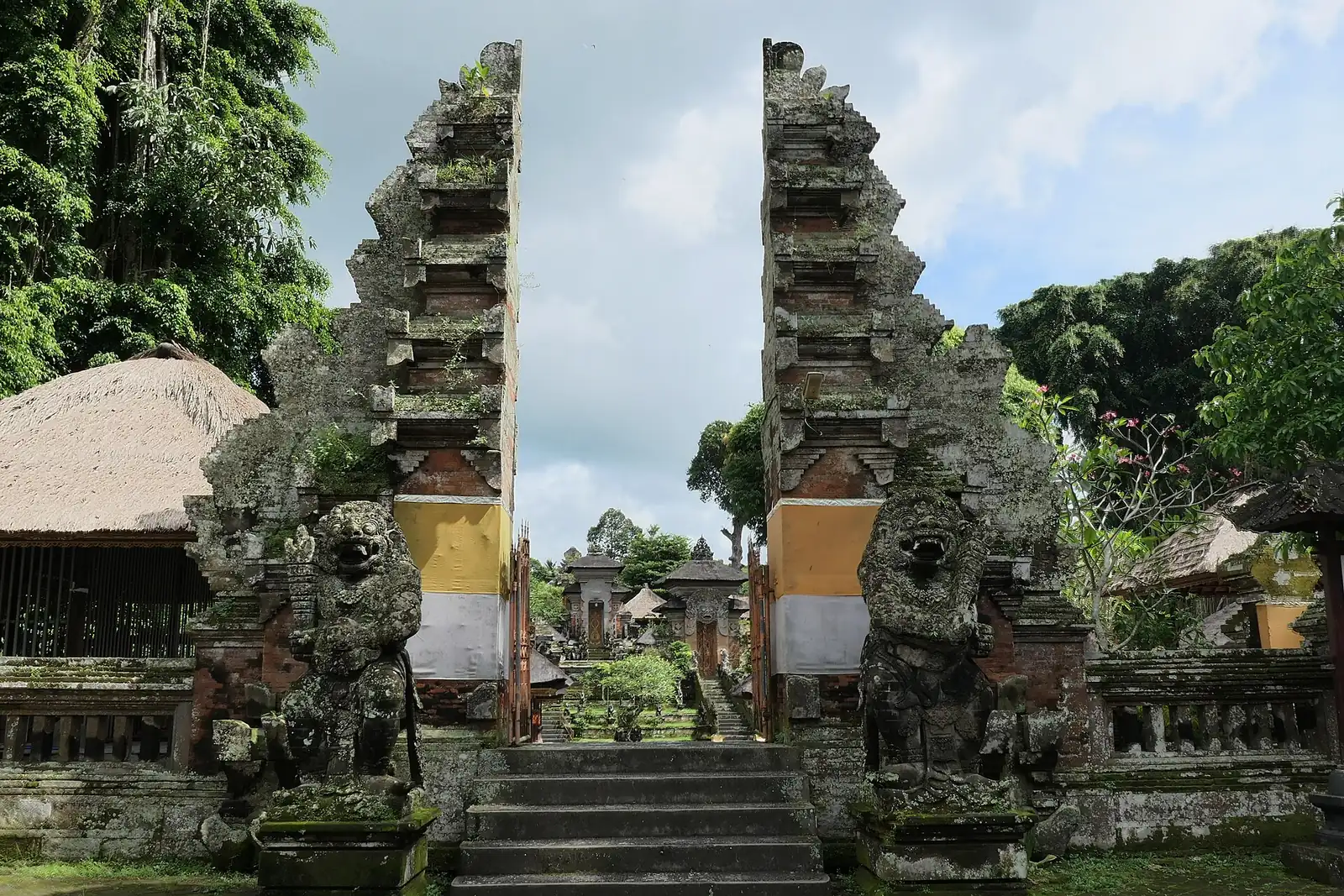
How to get a film permit in Bali starts outside Bali. The permit is national, so a foreign production engages a registered Indonesian partner, applies through an Indonesian mission abroad, waits for a notification letter, applies for the visa online, and only then secures permission for each location. In Canberra's sequence, Bali's own consents come last.
How to get a film permit in Bali: what is the order?
Start with the name. The permit you are after appears in Indonesian regulations as the Location Use Permit; embassies and production companies usually shorten that to film permit or national film permit. In the embassy sequence below, Bali adds its own layer at the end, when each location gives consent, so the Bali film permit process is really an Indonesian process first.
The clearest written sequence comes from the Indonesian Embassy in Canberra, which sets out five steps for applicants in Australia:
- Sign up a registered Indonesian fixer.
- Lodge a paper application at the embassy.
- Wait for the notification letter.
- File the visa online.
- Clear each intended location, with the fixer.
Other missions vary, so treat that list as a template and not as the rule for your country. A Ministry of Culture film permit official gave a shorter version at a symposium in Beijing, reported by Antara in November 2024: first the location permit, next the visa, and last any local location, crowd or other special permits, all before cameras roll. The two accounts run in the same order. Watch the wording, though. The official's first "location permit" reads as the national Location Use Permit, while Canberra's "location permits" are the site-by-site consents at the end.
This page follows a foreign production. A traveller with a camera has a different question, covered in can you film in Bali on a tourist visa.
Why does the application start at an embassy?
Because the law says so. Article 4(1) of Regulation 48/2018 sends applications to the minister through an Indonesian embassy, consulate general or consulate. The official quoted by Antara added that crews apply through the mission in their region of residence, and that a team of verifiers reviews the request. So a foreign film crew's home base decides the office, not the shoot location.
Article 3(1) of the same regulation makes a local partner compulsory: the foreign party must team up with an Indonesian film production business. That explains why the partner comes first in Canberra's list. Commercial or not, a shoot needs an agreement with a local partner or fixer drawn from the embassy's list, according to the Embassy in Beijing. Choosing that company is a decision in its own right, and the film fixer page covers how to read the ministry's list.
Missions publish different versions of this stage, so compare your own mission's page with these before building a schedule on any of them:
| Mission | What its page stresses | Point to watch |
|---|---|---|
| Canberra | Five-step order, with an online video interview once documents are complete | Written for applicants in Australia |
| Washington | Possible phone or video interview with whoever leads the production team; resubmission when plans change | Refers to index C5 for film production, where Canberra names C14 and D14 |
| Beijing | A listed local company under agreement, whether or not the shoot is commercial | Older visa code (B211C) and older ministry name remain on the page |
The interview details come from Canberra and Washington. What the file itself must contain is set out on the film permit requirements page.
Who reviews the application in Jakarta?
Verifiers from related ministries and agencies look at the request, according to the official quoted by Antara. Article 6(1) then gives the head of the film unit seven working days at most to issue the permit, counted from the point when the papers are confirmed complete and correct. That clock starts after verification, so it is not your end-to-end wait. The film permit processing time page deals with what the missions advise.
Article 7 lets the unit refuse an application in three situations:
- false data in the file;
- a crew member listed for immigration prevention or deterrence;
- a title and story judged capable of harming Indonesia, or at odds with its cultural values and law.
You control the accuracy of the file. Ask your partner how to approach the second ground. The third depends on how your story reads, so raise any sensitive treatment with your local partner early.
Office names need care. For Washington's embassy, the issuing office is the Ministry of Culture's Directorate of Film, Music, and Media, and what it issues, after arrival, is a temporary film and video shooting permit. The Beijing page still names the older education ministry, so the Washington wording looks more current. The regulation itself dates from that former ministry, and a ministry official was still citing it in November 2024. Ask your mission whether it still applies in full. The wider statute is Law 33 of 2009 on Film.
On money, the price table on this page puts what the regulation states for the application beside the immigration fee for C14. Production companies quote permit fees that conflict with the regulation, and the film permit cost page sets those quotes side by side.
Does the ministry review the story itself?
Operators say so, in two stages. Atlas Film Fixers and Spin Productions both describe an administrative check of the paperwork, followed by a substantive review of the content for cultural sensitivity and appropriateness. Atlas adds that some files are reviewed at a weekly inter-ministerial meeting, often on a Thursday. Those are company accounts, so ask your partner how the current office runs it.
The regulation supports the idea, because its third refusal ground turns on title and story. What it asks you to hand in differs by source. Canberra's checklist asks for a synopsis, while Hoodlum lists a script and storyboard among film permit documents on its Bali page. Prepare the synopsis your mission asks for, and keep a fuller treatment ready in case your partner or mission wants it.
What comes after approval?
Canberra calls the outcome a notification letter, and it unlocks the visa step. Embassies do not issue the filming visa: Canberra says missions have no authority to do so, and it routes applicants to the e-Visa system, where the categories are C14 Filming and D14 Filming Multiple Entry. Washington refers to index C5 instead, a live conflict explained on the filming visa page. If your mission follows Washington's description of a permit issued after arrival, ask whether anyone must file or collect anything in Jakarta before the crew flies on to Bali.
Then Bali begins. Article 10 has the film unit copy the permit to whichever agencies and local governments answer for your locations. A copy is not consent. Canberra still leaves the filmmaker and local fixer to handle location permits for each place, and the official's list adds crowd or other special permits, so ask your partner early whether a crowd permit applies to your scenes. Hoodlum says temple permissions should start alongside the ministry permit, which differs from Canberra's order, so ask your mission and partner when to open them. Who signs what is the subject of location permits for filming in Bali. If a drone is in the plan, drone rules in Bali and commercial drone filming in Bali sit alongside this track.
What happens if the schedule changes?
Two texts speak to this, and they do not say the same thing:
- Article 8 of the regulation asks for written notice to the film unit when locations or schedule move, at least seven working days before the crew shoots at the new location.
- The Embassy in Washington goes further: a change of crew, agenda, interviewee, purpose, location or equipment sends the application back for resubmission, with a letter from the production lead.
Neither text explains how it relates to the other. Ask your mission or partner before you assume a letter is enough. On a practical level, settle the crew and equipment lists as firmly as you can before filing, because under Washington's wording a replacement camera operator or an added drone could reopen the file.
What must you hand back after the shoot?
A finished film. The permit format annexed to the regulation obliges the producer to deliver one copy of the completed film to the film unit no later than six months after its first showing. That clock runs from first showing and not from wrap, so a long edit does not start it. Put the duty in the delivery schedule and name who at the company owns it.
What else do crews ask about the Bali film permit application?
How to get a film permit in Bali?
Sign with an Indonesian film production company as local partner, apply through the Indonesian mission for the place where you live, wait for the notification, lodge the visa through e-Visa, then collect consent for each location. The detail can differ by mission.
What is the national film permit?
It is the everyday name for the Location Use Permit, which foreign filmmakers need from the minister responsible for culture before using locations in Indonesia. It does not stand in for consent from whoever manages a given temple, park or building.
Where to get a film permit in Bali?
Not in Bali. Applications go through an Indonesian embassy, consulate general or consulate abroad, and the permit itself comes from the national film unit. In Canberra's sequence, what you collect in Bali comes later and concerns specific places.
How to apply for a Bali film permit?
Through your mission, alongside your Indonesian partner. Canberra asks for a paper application and arranges an online video interview once documents are complete. Washington may hold a phone or video interview with the team leader. Follow the checklist your own mission publishes.
When to apply for a Bali film permit?
Well before the regulation's seven-working-day limit would suggest, because that clock starts only once documents are confirmed. Missions publish their own lead times and they differ, so use the figure from the mission you apply through.
Which published prices did we check?
Official fees and public third-party listings, each with its source and the month we checked it. These are not our prices or offers. Fees change and sources disagree, so check the source before you rely on a figure.
| Item | Published price | Source | Checked |
|---|---|---|---|
| Location Use Permit application for foreign filmmakers (Regulation 48/2018, Article 11; operators quote fees, see below) | No charge stated | peraturan.bpk.go.id | Nov 2026 |
| C14 film production visa, 60-day stay, per person (visa fee plus verification fee) | IDR 2,000,000 | imigrasi.go.id | Nov 2026 |
Which sources support this page?
- Regulation 48/2018 on foreign film location use (BPK legal database)
- Indonesian Embassy in Canberra: procedure for foreign film producers
- Antara Bali, November 2024: Bali remains a favourite location for foreign directors
- Indonesian Embassy in Beijing: journalist and film visas
- Indonesian Embassy in Washington: journalistic and film production
- Law 33 of 2009 on Film (BPK legal database)
- Atlas Film Fixers, Bali filming guide
- Hoodlum, Bali film production services
- Spin Productions, filming permit guide
How do I reach the desk?
Tell the desk which country you would apply from, what you are making, your rough dates and the Bali locations you have in mind. This site is a guide with a request desk, not a government office, and it cannot decide a permit. Requests can lead to a paid booking, so we have a commercial interest. Any fee and the company you would contract with are stated in a written offer before you agree, and only that offer binds. WhatsApp 6281139414563 or bd@juaraholding.com.
Send the desk your dates, crew size, locations, and drone plans. The desk replies in writing.
Ask the desk on WhatsApp bd@juaraholding.com