On this page
- What does documentary filming in Bali require?
- Which visa covers documentaries?
- Do communities have to agree?
- What about student projects?
- What happens with the finished film?
- Which grounds can stop a project?
- What changes inside a national park or underwater?
- What do documentary makers ask about Indonesia?
- Which published prices did we check?
- Which sources support this page?
- How do I reach the desk?
By Film Permit Bali Editorial Desk
Sourced figures: prices in the table carry their source and check month. Fees change, and they are official or third-party figures, not our offers.
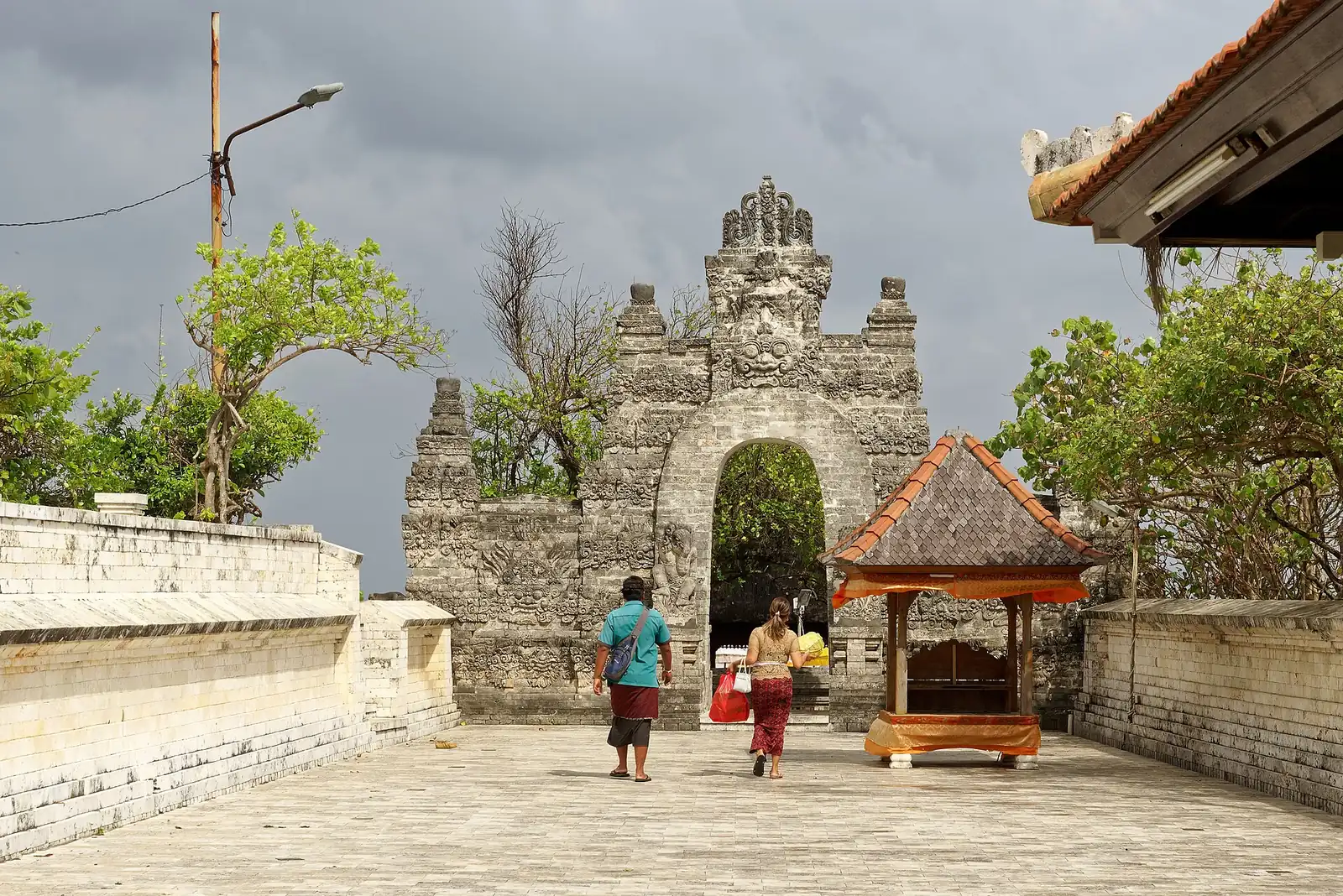
Documentary filming in Bali normally falls under the national Location Use Permit when the maker is a foreign company, news organisation or broadcaster working with an Indonesian partner. Immigration lists documentaries under the C14 visa, while other sources point to C5, so confirm the index with your mission. Communities, students and parks add further paperwork.
What does documentary filming in Bali require?
Documentaries use the same film permit Bali route as other foreign productions, with some pressure points of their own. Regulation 48/2018 reaches foreign legal entities in film production, foreign news organisations and foreign broadcasters, and Article 3 obliges them to take an Indonesian film company as local partner. The regulation does not name lone filmmakers, so a self-funded director should ask the mission early how a project with no company behind it would be treated.
Foreign documentaries are an established category. A Ministry of Culture official told Antara that documentaries sit among foreign shoots, next to TV series, feature films, reality and variety shows and advertising. The locations the official named run from nature reserves and national parks to cities, customary villages, markets and heritage sites, and each kind of place has its own consent question.
What sets a documentary apart is how it changes while it is being made. A feature has a script, whereas a documentary follows people, and the permit format wants subjects and locations listed in advance. These are the items that most affect a non-fiction schedule:
| Issue | Origin | What to prepare |
|---|---|---|
| Visa index | Immigration, Embassy in Washington, TTG Asia | Written confirmation from your mission |
| Main subject's agreement | Embassy in Washington | Acknowledgment letter from the agency or community |
| Student status | Embassy in Washington | Sponsorship letter signed by the director or programme director |
| Changing subjects | Annex to Regulation 48/2018 | A subject and location list wide enough to be accurate |
| Finished film | Annex to Regulation 48/2018 | One copy delivered within six months of first showing |
| Parks and underwater work | West Bali park office; Embassy in Washington | SIMAKSI; application to the Indonesian Navy |
Which visa covers documentaries?
Three sources give three framings, and they are worth reading side by side. The immigration page for C14 names documentaries in the scope of a single-entry visit visa, alongside films, music videos, reality shows, TV and radio programmes shot on Indonesian locations. The Embassy in Washington asks non-Indonesians for a C5 visit visa for journalism and film production, and that clashes with immigration's own pages, where film production sits under C14 and D14. TTG Asia reported C5's scope as news reporting, interviews, event coverage and documentary production for recognised media organisations.
One way to read this is that C5 suits documentary work done for recognised media and C14 suits a production company's film, but no official text we know of draws that line in those words. Ask the mission that will handle your application, describe who commissioned the film, and keep the answer. You will find the published C14 and C5 fees in the price table on this page, along with the conservation-area commercial filming line. Details of each index are in the filming visa guide and the journalist visa guide.
Do communities have to agree?
For the main subject, yes, according to one embassy. The Embassy in Washington wants an acknowledgment letter from whichever agency or community the production is mainly about. For a shoot in a Balinese village, that points to a letter from the community concerned. The embassy does not say who must sign on a community's behalf, so settle that with your local partner and the mission before anyone treats a friendly conversation as consent.
Personal release forms are a different matter. The embassy's requirement concerns the main agency or community and does not mention personal release forms. Many documentary makers will want those anyway for their own broadcasters and lawyers, but that is professional practice and not a requirement drawn from these texts.
The bigger trap is drift. The permit format rules out shooting subjects and locations it does not list, and a violation can annul the permit. If your story moves from a rice-farming family to a land dispute next door, you have moved outside the permit as well as the original letter. At Washington, a change of crew, agenda, interviewees, purpose, location or equipment means resubmitting the application with a letter from the production lead. Article 8 also asks for written notice to the film unit at least seven working days before shooting at a new location. Tell your local partner as soon as the film starts to shift, and describe subjects accurately at the start so the listed scope matches what you intend to film.
What about student projects?
The Embassy in Washington asks student and final projects for a sponsorship letter signed by the institution's director or programme director. A supervising tutor's signature does not match that wording, so check who holds the title at your school before the letter is drafted.
The regulation's definition of a foreign party does not mention universities, so it is worth asking the mission how a student film fits alongside it. Students should also expect to meet the same questions as anyone else on visas and locations, and a small crew does not remove them. If you are applying outside the United States, ask your own mission.
What happens with the finished film?
The permit format obliges the producer to give the film unit one finished copy within six months of first showing. Long-running documentaries can reach their first festival years after the shoot, so this obligation can easily outlast the production team. Note the first screening date when it happens, assign someone to deliver the copy, and keep the requirement in the handover file if the film changes hands or a distributor comes on board.
Which grounds can stop a project?
Article 7 of the regulation gives the film unit three grounds of refusal: false data, crew on the immigration prevention or deterrence list, and a title and story that may harm Indonesia or conflict with its cultural values and law. For non-fiction, the third ground deserves particular thought, because subject matter is the whole point of the film. It is broadly worded and the regulation leaves its application to the film unit, so no one can tell you in advance how a given synopsis will be read.
What a producer does control is accuracy. A synopsis that hides the real subject runs into the first ground, and shooting something different from what was listed runs into the annex. If you are unsure how a sensitive subject would be received, take it to your local partner before the application goes in.
What changes inside a national park or underwater?
Add a second permit system. The Embassy in Washington says a conservation area means a SIMAKSI, which the forestry ministry's conservation directorate issues through the area's managing office. A Sulawesi conservation office, summarising Regulation 36 of 2024, puts commercial film, non-commercial film and documentary film under SIMAKSI, alongside research, education, expeditions and journalism. So calling a film non-commercial does not by itself take it out of the system.
For West Bali, the park page asks film or video makers to set out their plans and hold a SIMAKSI before they start. It gives a permit up to three months, extendable on request. Extension requests, the park adds, must go in at most fifteen working days before expiry. Check how the park reads that sentence. The West Bali film permit guide has the detail.
The Embassy in Washington sends underwater filming to the Indonesian Navy for a permit application, so include it in your plan early if any of your scenes are underwater.
What do documentary makers ask about Indonesia?
Can I film a documentary in Bali?
Foreign documentaries have been made under the national permit route, and a ministry official lists them among foreign shoots. Approval is up to the film unit, and no permit outcome can be assumed from that.
Do documentary makers need a permit in Indonesia?
Foreign film companies and broadcasters do, under Regulation 48/2018. Foreign news organisations sit inside its definition of a foreign party too, so ask your mission whether a given news trip triggers the permit. A lone maker with no company is not named, so ask your mission how such a project would be handled.
What visa covers documentary filming in Indonesia?
Immigration lists documentaries under C14, while TTG Asia says C5 covers documentary production for recognised media organisations, and the Embassy in Washington names C5 for film production. Confirm the index with your mission in writing.
Do documentaries need a local partner in Indonesia?
Article 3 of Regulation 48/2018 tells a foreign party to take an Indonesian film production business as partner. The article applies to the foreign parties defined in the regulation, and it sets no separate rule for documentaries.
Does a non-commercial documentary still need a SIMAKSI?
A Sulawesi conservation office, summarising national Regulation 36 of 2024, lists both commercial and non-commercial film as well as documentary film under SIMAKSI. Confirm the details with the office managing the area.
Which published prices did we check?
Official fees and public third-party listings, each with its source and the month we checked it. These are not our prices or offers. Fees change and sources disagree, so check the source before you rely on a figure.
| Item | Published price | Source | Checked |
|---|---|---|---|
| C14 film production visa, 60-day stay, per person (visa fee plus verification fee) | IDR 2,000,000 | imigrasi.go.id | Nov 2026 |
| C5 journalist visa, 60-day stay, per person (visa fee plus verification fee) | IDR 2,000,000 | imigrasi.go.id | Nov 2026 |
| Commercial filming in Indonesian conservation areas, foreign nationals, per package per location (national table as published by a Sulawesi office, not a West Bali rate) | IDR 20,000,000 | bbksdasulsel.ksdae.kehutanan.go.id | Nov 2026 |
Which sources support this page?
- Regulation 48/2018, state legal database
- Directorate General of Immigration, C14 visa
- Embassy of Indonesia in Washington, journalistic and film production
- TTG Asia, August 2026, on C5 and the planned creator visa
- Antara Bali, November 2024, foreign shoots in Indonesia
- West Bali National Park, visitor information
- BBKSDA South Sulawesi, summary of Regulation 36 of 2024
How do I reach the desk?
A synopsis, the likely subjects and your commissioning position give the desk enough to respond to a documentary question. Write to bd@juaraholding.com or use WhatsApp at +62 811-3941-4563. No reply from the desk is a permit decision. Requests sent here may turn into a paid booking, so we have a commercial interest, and any fee and the contracting company appear in a written offer before you agree. The disclaimer has the full position.
Send the desk your dates, crew size, locations, and drone plans. The desk replies in writing.
Ask the desk on WhatsApp bd@juaraholding.com